
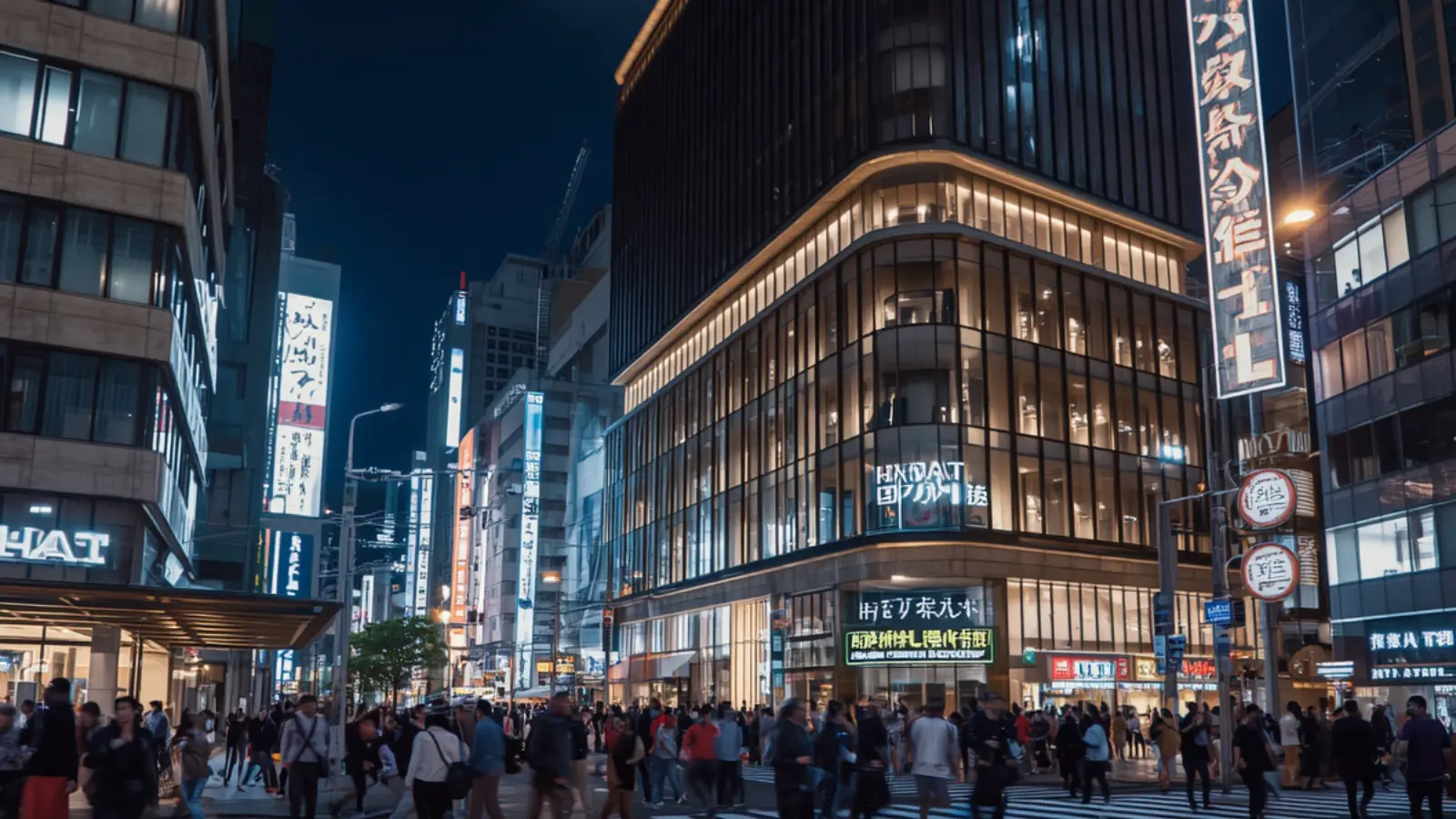
A caption by Hyatt Kabutocho Tokyo is a carefully crafted short text paired with photos or reels of the hotel’s refined Nihonbashi location, warm lighting, and urban Japanese design.
It turns simple stay snapshots into stories that spark comments, saves, and shares while highlighting local culture and modern comfort for travelers scrolling Instagram.
These captions work because they blend place-specific details with emotional hooks that feel personal rather than promotional.
Whether you just checked in or are planning a future visit, the right words help your content rise in feeds and reach people who value authentic Tokyo experiences.
Below you will find twelve fresh approaches, each packed with twelve practical points that deliver real value for better engagement rate and visibility.
Crafting Opening Lines That Mirror Kabutocho’s Quiet Energy 🌅
- Begin with the soft morning light that filters through the hotel windows overlooking the historic Kabutocho streets, inviting readers to imagine stepping into that calm before the city fully wakes.
- Reference the subtle scent of fresh linens mixed with distant ramen shops so the caption immediately places the audience inside the neighborhood rather than a generic room.
- Use a single sensory word such as “hushed” or “glowing” to set tone without overloading the first sentence, keeping it voice-search friendly.
- Mention the nearby Nihonbashi bridges as living landmarks so the post feels rooted in real geography that locals and visitors both recognize.
- Pair the opening with a gentle invitation like “come sit with this view for a second” to encourage pauses and longer dwell time.
- Avoid generic “beautiful hotel” phrases; instead name the specific quality of the lobby light that makes the space feel both modern and respectful of tradition.
- Keep the first line under twelve words so it displays fully in most feed previews and supports higher initial engagement.
- Weave in a micro-story of arrival—dropping bags, hearing the soft elevator chime—to create instant relatability.
- End the opener with a soft question that does not demand an answer yet still invites mental participation.
- Match the energy of early-day reels by choosing verbs that suggest slow movement rather than rush.
- Test variations that open with weather or season details unique to Tokyo’s Kabutocho area for seasonal relevance.
- Always ensure the first line can stand alone as a featured-snippet style answer if someone searches for mood-setting hotel captions.
Layering Local Flavor Without Sounding Like a Guidebook 🍜
- Slip in a single street-food reference that guests actually encounter within a five-minute walk, such as the aroma of grilled fish floating past the entrance.
- Name one lesser-known alley or stone marker near the hotel so the caption rewards readers who know the area while remaining accessible to first-timers.
- Describe the contrast between the hotel’s clean lines and the older merchant buildings outside without turning the text into a history lesson.
- Use the word “neighborhood” instead of “district” to keep the tone intimate and conversational.
- Mention the sound of bicycle bells or quiet conversations in Japanese that filter into open windows during golden hour.
- Connect a room feature to a local craft tradition only if it feels natural, never forced.
- Keep cultural notes to one sentence so the caption stays focused on the guest experience.
- Invite readers to share their own Kabutocho food finds in the comments, boosting reply rates.
- Reference the nearby financial history of the area in a light, almost playful way that feels surprising rather than academic.
- Choose adjectives that locals might actually use when talking about the streets rather than tourist-brochure language.
- End the local layer with a soft call to explore on foot, linking the hotel stay to real movement through the city.
- Review every draft to confirm the flavor details support the photo or reel instead of competing with it.
Designing Captions That Amplify Reel Transitions 🎥
- Write short punchy phrases that match the exact moment a reel cuts from lobby to room so the text feels timed with the visuals.
- Use action verbs that mirror the camera movement—gliding, pausing, rising—to create rhythm between sound and words.
- Place a one-word reaction right at the peak visual moment so viewers who watch without sound still feel the emotion.
- Keep total caption length under 120 characters when the reel is under fifteen seconds to avoid overwhelming the screen.
- Include a soft hashtag cluster only at the end so the main text remains clean and readable during playback.
- Craft a mid-caption pause line that encourages viewers to rewind and catch a detail they might have missed.
- Align the emotional arc of the text with the lighting change in the reel for stronger overall impact.
- Test captions that begin with the sound of the reel itself if the audio is distinctive and hotel-specific.
- Avoid long explanatory sentences that force readers to stop watching in order to finish the text.
- Add a gentle suggestion to watch till the end without using pressure language that feels salesy.
- Match the caption energy to the music tempo so the post feels cohesive across platforms.
- Save the strongest sensory detail for the final frame description to leave a lasting impression.
Building Emotional Bridges Between Guest and Space 🤍
- Focus on the feeling of unpacking in a room that already seems to understand quiet travelers.
- Describe the way the bed invites rest after a long day of navigating Tokyo stations.
- Mention the small welcome detail that made the stay feel considered rather than transactional.
- Use second-person language sparingly so readers can project themselves into the scene without feeling instructed.
- Highlight the balance between privacy and subtle hospitality that defines the property.
- Share a personal reaction to the view that stays honest and specific rather than exaggerated.
- Connect the room’s calm to the mental reset many travelers seek after crowded attractions.
- Keep emotional language grounded in physical details so the caption never drifts into pure abstraction.
- Invite readers to recall their own moments of unexpected peace in a city hotel.
- Avoid overused words like “magical” and choose fresher terms that still convey warmth.
- End with a quiet reflection that feels complete even if no one comments.
- Ensure every emotional statement can be supported by the accompanying image or video.
Structuring Hashtag Clusters for Better Discoverability 🔍
- Place three highly relevant location hashtags first so the post signals clear geographic intent.
- Follow with two lifestyle hashtags that match the mood of the stay rather than broad travel tags.
- Add one niche hashtag that captures the specific style of the hotel interiors.
- Keep the total under nine so the caption remains uncluttered and professional.
- Research current seasonal hashtags that still feel natural to Kabutocho rather than forced trends.
- Avoid stuffing every possible variation of “Tokyo hotel” which can dilute visibility.
- Position the hashtag group after a blank line so the main message stays prominent.
- Rotate one or two hashtags across posts to test which combinations improve reach.
- Include a branded hashtag only if it already exists and has genuine community use.
- Check that none of the chosen tags compete with unrelated or low-quality content.
- Use title case or lowercase consistently for a polished appearance.
- Review performance weekly and retire tags that never contribute to new followers or saves.
Writing for Voice Search and Spoken Queries 🗣️
- Phrase key sentences as natural answers to questions travelers actually ask aloud.
- Include the full hotel name early so voice results can match intent accurately.
- Keep sentence structure simple and conversational for easy reading by assistants.
- Answer the unspoken “what does it feel like” question within the first two lines.
- Use everyday vocabulary instead of marketing jargon that rarely appears in spoken searches.
- Embed one clear benefit that someone might dictate while planning a trip.
- Avoid complex clauses that break when converted to audio.
- Test the caption by reading it out loud and adjusting any awkward pauses.
- Include a soft location cue that helps voice tools connect the post to the right place.
- Structure one sentence so it could serve as a featured snippet for “best captions for Tokyo hotel stays.”
- Maintain a helpful rather than promotional tone that aligns with informational voice queries.
- End with a gentle next-step suggestion that feels useful in a spoken context.
Elevating Everyday Moments Into Shareable Stories ✨
- Turn the simple act of pouring morning coffee into a small scene that reflects the room’s atmosphere.
- Describe the way afternoon light moves across the desk as a quiet daily ritual worth capturing.
- Highlight the satisfaction of returning to a calm space after exploring crowded markets.
- Frame a rainy-day stay as an opportunity rather than an inconvenience.
- Celebrate the comfort of soft lighting during evening wind-down without exaggeration.
- Connect a single design detail to a personal sense of belonging for the night.
- Use the caption to notice something most guests overlook yet will recognize once mentioned.
- Keep the story small and true so it feels authentic rather than staged.
- Invite the audience to share their own quiet hotel moments in replies.
- Avoid forcing a dramatic arc onto ordinary experiences.
- Let the photo or reel carry the visual weight while the text supplies the emotional context.
- Close the story with a sense of contentment that lingers after the post is scrolled past.
Balancing Length for Maximum Readability and Saves 📖
- Aim for captions that take fifteen to twenty-five seconds to read so they feel substantial without tiring.
- Break text into short paragraphs of one or two sentences for mobile-friendly scanning.
- Place the strongest line near the top so it appears before the “more” fold.
- Use line breaks strategically to create visual breathing room.
- Reserve longer reflections for carousel posts where readers expect more depth.
- Test shorter versions for reels and slightly expanded ones for static photos.
- Remove any sentence that does not add new sensory or emotional information.
- Keep the call-to-action brief and positioned at the very end.
- Monitor save rates and adjust length when posts with certain word counts perform better.
- Avoid dense blocks that discourage full reading on smaller screens.
- Ensure the caption still delivers value even if only the first three lines are seen.
- Review every draft on a phone screen before publishing to confirm flow.
Incorporating Seasonal Touches Unique to Tokyo Stays 🍂
- Reference the particular quality of summer humidity that makes the air-conditioned room feel like a welcome retreat.
- Note the soft glow of autumn evenings reflecting on nearby office windows.
- Mention winter’s crisp air that makes returning to a warm lobby especially comforting.
- Celebrate spring’s gentle energy visible in the surrounding streets without relying on cherry-blossom clichés.
- Tie seasonal light patterns to the way the hotel interiors respond throughout the year.
- Keep seasonal notes subtle so they enhance rather than dominate the caption.
- Update a core caption template with one fresh seasonal detail each quarter.
- Observe how local foot traffic changes with the seasons and reflect that softly.
- Avoid overused seasonal hashtags that have become saturated.
- Let weather become part of the mood rather than a complaint or pure decoration.
- Connect the season to a specific guest ritual that feels timely.
- Archive high-performing seasonal captions for easy reuse the following year.
Creating Soft Calls That Encourage Real Conversation 💬
- Ask a question that only people who have stayed or researched the area can answer meaningfully.
- Invite readers to describe their ideal quiet Tokyo evening in the comments.
- Suggest tagging a friend who needs a calm city base without pressuring engagement.
- Offer a simple prompt such as “what would you do with this view” that feels open.
- Respond to early comments quickly to signal that conversation is welcome.
- Avoid questions that can be answered with a single emoji if deeper replies are desired.
- Phrase the invitation so it feels like sharing rather than requesting validation.
- Use the caption to start a micro-community around thoughtful travel stays.
- Keep the tone curious rather than demanding.
- Experiment with statements that naturally invite agreement or gentle disagreement.
- Monitor which soft calls produce the most thoughtful replies and refine accordingly.
- Always leave space for silence; not every post needs forced interaction.
Matching Caption Tone to Visual Color Palettes 🎨
- Choose warmer word choices when the photo features soft golds and wood tones.
- Shift to cooler, cleaner language for images dominated by white and muted blues.
- Mirror the contrast level of the visual with the energy of the text.
- Let high-contrast photos support bolder statements while softer images pair with gentler phrasing.
- Align the emotional temperature of the caption with the dominant light in the frame.
- Avoid clashing energetic text with serene visuals or vice versa.
- Use color-inspired metaphors only when they feel organic and not forced.
- Test the caption against the image in both light and dark mode displays.
- Keep vocabulary consistent across a series of posts that share a similar palette.
- Notice how different filters change the required tone and adjust wording.
- Treat the caption as an extension of the visual mood rather than a separate layer.
- Review the final pairing on multiple devices to confirm harmony.
Turning Single Stays Into Ongoing Content Themes 🔄
- Identify three recurring elements of the hotel experience that can support multiple posts over time.
- Develop a light series structure that still feels spontaneous rather than planned.
- Revisit the same corner of the room under different lighting for fresh yet related captions.
- Build a small library of flexible phrases that can be adapted to new photos.
- Track which themes generate the highest saves and expand those gently.
- Allow each post to stand alone while contributing to a larger sense of place.
- Avoid repeating exact wording so the account never feels repetitive.
- Use earlier posts as quiet references without requiring readers to have seen them.
- Plan seasonal refreshes of core themes to keep the content calendar alive.
- Invite the audience to suggest new angles related to the same location.
- Maintain consistency in voice across the entire theme for stronger recognition.
- Review the full set periodically to ensure the collection still feels original and valuable.
Conclusion
The strongest captions by Hyatt Kabutocho Tokyo succeed when they treat every post as a small, honest invitation into a specific corner of Tokyo rather than a broad advertisement.
By focusing on sensory detail, local texture, emotional truth, and thoughtful structure, each piece of text supports higher engagement rate, stronger visibility, and more meaningful connections with people who value calm, well-designed stays.
Start with one of the approaches above on your next post. Notice what resonates, refine the language, and keep showing up with words that feel as considered as the space itself. Your audience will feel the difference, and the algorithm tends to reward that authenticity with wider reach.
Share your favorite line in the comments or tag a fellow traveler who would appreciate these ideas—conversation is how the best caption habits grow.

Kyler Knox is known for edgy and attitude-driven captions that reflect confidence and personality. His content fits perfectly with bold posts and strong personal branding. Ideal for Gen-Z and trend-focused audiences.